Ask any family who's tried a traditional medical alert system and you'll hear a version of the same story. The pendant gets taken off for a shower and left on the bathroom counter. It feels like a badge of frailty, so it stays in a drawer when company comes. It's "too bulky" for gardening, or it was simply forgotten on the nightstand. A device that isn't worn protects no one.
Why this happens
It's not stubbornness — it's human. A pendant does one thing, and that one thing is a constant reminder of decline. There's no reason to wear it except emergency, so it's easy to set aside during all the ordinary hours when, statistically, falls actually happen.
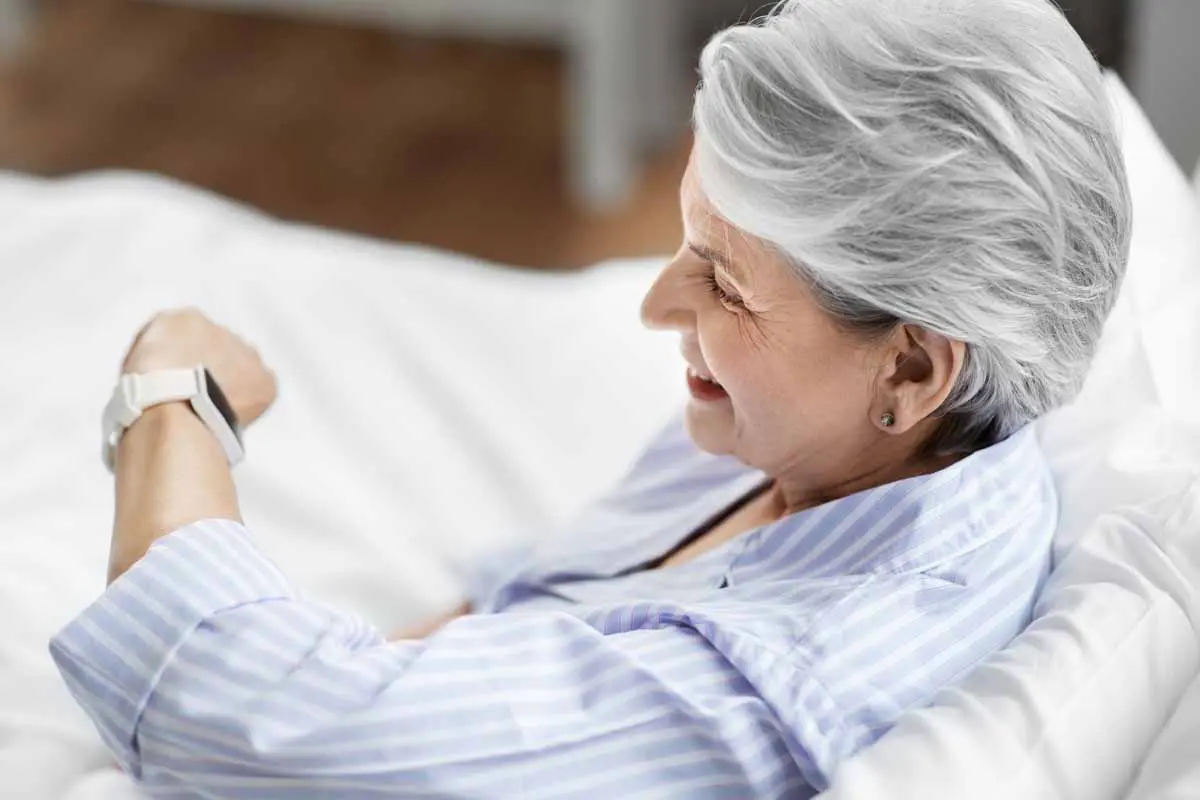
What changes with a smartwatch
A smartwatch earns its place on the wrist for a dozen everyday reasons — the time, the weather, messages, step counts, a workout. Because it's worn for those reasons, it's also there in the moment a fall happens. Protection becomes a byproduct of a device people genuinely want to wear, rather than a chore they have to remember.
KinectedCare builds on that. The same watch your parent already likes wearing becomes a gentle daily wellbeing snapshot — no extra hardware, no stigma, no pendant in the drawer.
Why families tell us they wish they'd had this
These are real families who lived the moment a pendant was supposed to prevent — and saw exactly how a connected smartwatch would have changed it.
We bought a pendant for my mom, but she found it uncomfortable to wear at night. Getting up one night, she fell and broke several ribs — and called for help from the bathroom floor for over eight hours. KinectedCare would have alerted all of us. I only wish it had existed when she was alive.
This is exactly what we needed with Grammie. She was fiercely independent and loved taking care of her home. Late one night she got up for a snack, fell, and broke her hip. With KinectedCare she could have alerted all of us to come help her.
Mom's facility provided a pendant. She took it off to wash her face one night, then fell and broke her ribs. She was on the floor crying for help until friends noticed she'd missed dinner the next night. Three days in the hospital, weeks in higher care, months to recover. KinectedCare would have spared her so much of that.
My brother and I got medical alert pendants for Mom and Dad, who live independently in their 80s and 90s. Visiting home, I was shocked to find both pendants hanging on a hook by the refrigerator. They said they didn't like wearing them — they made them feel old. This is exactly what we need.
Shared by real families, used with permission and lightly condensed. Names shortened for privacy. These describe experiences before KinectedCare was available; they are not claims about outcomes the product guarantees. KinectedCare does not contact emergency services.
Set up your family's care team in minutes.
Free to start on iOS and Android — no pendant, no contract, no waiting.
Download KinectedCare free