The smartwatch may matter more for the old than the young
Smartwatches are sold with images of runners and gym-goers. But look at what they actually do — fall detection, heart monitoring, always-on connection — and the older wearer may have the most to gain.
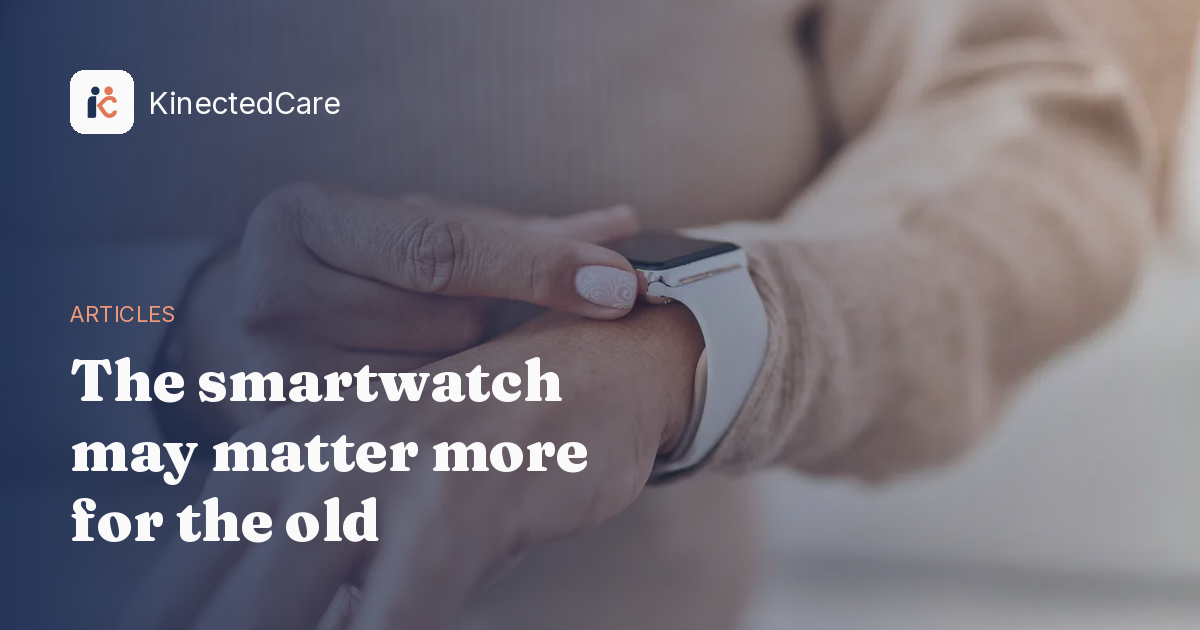
Marketed to the young, useful to the old
A 25-year-old enjoys the workout rings and notifications. But fall detection, irregular-heart-rhythm alerts, and the ability to call for help from your wrist aren't fitness features — they're safety features, and they speak most directly to the realities of aging.
From personal gadget to family safety net
On its own, a smartwatch helps the wearer. Connected to KinectedCare, it helps the wearer's whole family: the watch's daily activity becomes a shared wellbeing snapshot, and one press of the HELP button1 notifies every caregiver at once. The same device that counts a young person's steps becomes, for an older person, the quiet thread that keeps their family connected and reassured.
The dignity advantage
And unlike a medical pendant, a smartwatch carries no stigma. It's worn for a hundred ordinary reasons — which is exactly why it's still there for the one extraordinary moment that matters.
Set up your family's care team in minutes.
Free to start on iOS and Android — no pendant, no contract, no waiting.
Download KinectedCare free